HOME ENERGY GUIDE
Home Energy Basics
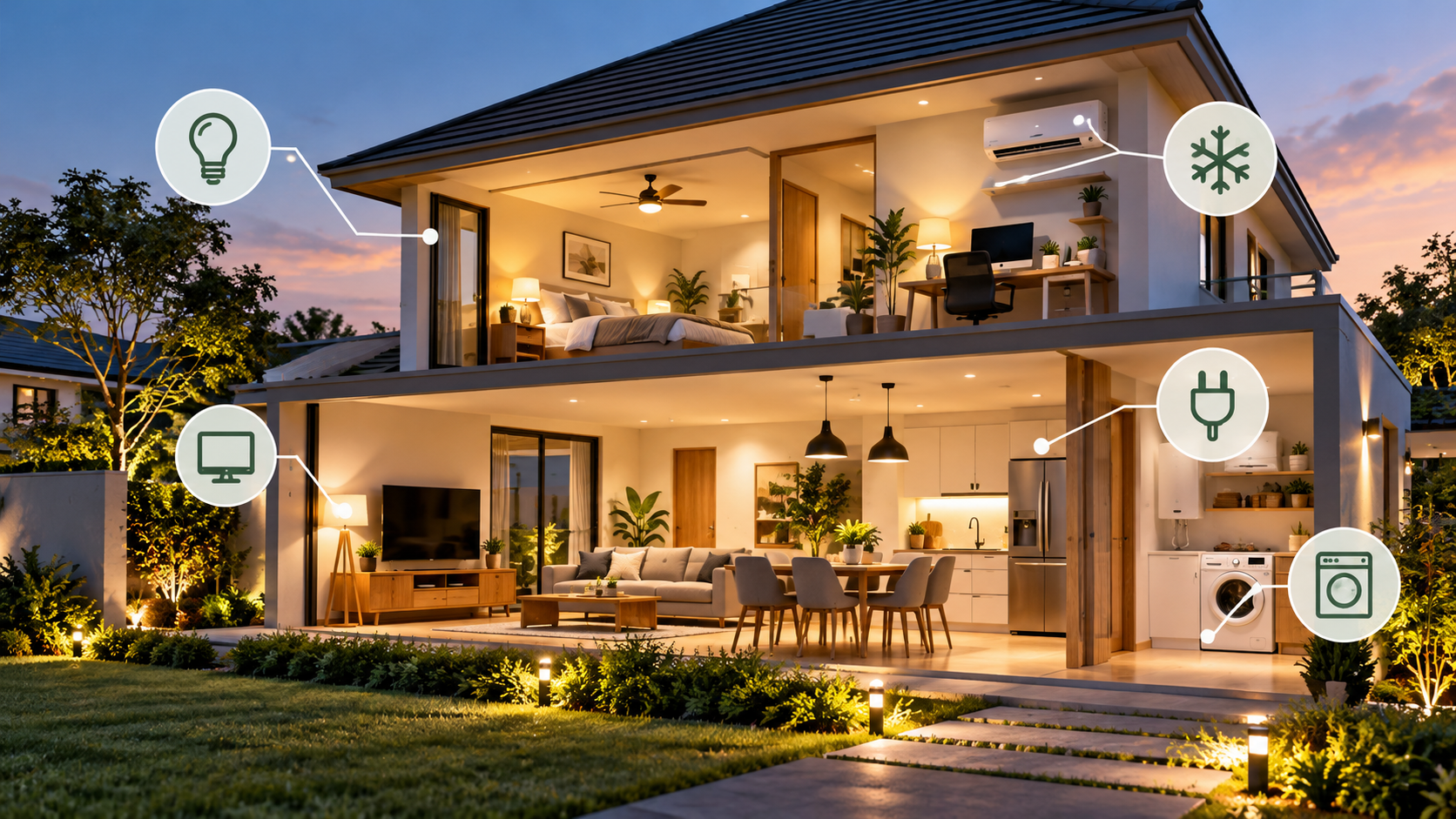
This home energy basics guide covers how energy is used in your home, what affects energy consumption, and the key concepts that can help you make more informed decisions.
Home energy refers to the electricity and other forms of energy used to power everyday activities in your home. From lighting and appliances to heating, cooling, and electronics, different parts of a household contribute to overall energy use.
Most homes use energy across several everyday activities, from maintaining a comfortable temperature to powering appliances and electronics. Understanding where that energy is used can make it easier to identify opportunities for greater efficiency.
Heating and cooling can account for a significant part of a home’s energy use, depending on the climate, home design, insulation, and equipment being used.
Refrigerators, washing machines, televisions, and other household devices use electricity throughout the day. Their energy consumption depends on factors such as efficiency, frequency of use, and individual settings.
Lighting, computers, chargers, and smaller electronic devices also contribute to household electricity use. Choosing efficient products and developing mindful usage habits can help reduce unnecessary energy consumption.
Several factors can influence how much energy a household uses, including home size, climate, insulation, appliance efficiency, and everyday habits. Understanding these factors can help you identify opportunities to use energy more efficiently and make informed decisions about your home.
The size and layout of a home can influence its overall energy consumption. Larger spaces may require more energy for heating, cooling, and lighting, while room arrangement, natural light, and ventilation can also affect everyday energy needs.
Climate and insulation play an important role in household energy consumption. Outdoor temperatures, insulation quality, and air leaks can affect how much energy is needed to keep indoor spaces comfortable throughout the year.
The efficiency of household appliances and everyday habits can influence energy consumption. Older or less efficient equipment may use more electricity, while simple actions such as adjusting settings, turning off unused devices, and choosing efficient products can help reduce unnecessary energy use.
The number of people living in a home and their daily routines can affect overall energy consumption. Working from home, using appliances at different times, and individual lifestyle habits can all influence how much electricity a household uses.
Understanding how your home uses energy is an important first step toward making informed decisions. By reviewing your electricity bills, identifying which appliances you use most often, and paying attention to everyday habits, you can develop a clearer picture of your household’s energy consumption and where improvements may be possible.
Take a look at your recent electricity bills to understand how much energy your household uses over time. Comparing monthly consumption can help you identify patterns, seasonal changes, and periods when energy use may be higher than usual.
Pay attention to the appliances and devices your household uses most frequently. Refrigerators, air conditioners, washing machines, and electronics can contribute to electricity consumption. Understanding how often they are used and checking their energy efficiency can help you make more informed choices.
Everyday habits can influence how much energy your household uses. Turning off lights when they are not needed, adjusting heating and cooling settings, and avoiding unnecessary appliance use are simple ways to become more mindful of electricity consumption.
Improving home energy efficiency doesn’t always require major changes. Small adjustments to everyday habits, appliance use, and home maintenance can help reduce unnecessary energy consumption and make your home more efficient.
Switching to energy-efficient LED bulbs can help reduce electricity consumption compared with traditional incandescent lighting. Turning off lights when they are not needed and making use of natural daylight are also simple ways to avoid unnecessary energy use.
Proper insulation and sealing gaps around windows and doors can help maintain comfortable indoor temperatures. Reducing unwanted air leaks may also lower the amount of energy needed for heating and cooling, depending on your home’s conditions.
When replacing household appliances, consider their energy efficiency ratings and estimated electricity consumption. Comparing product specifications and choosing appliances suited to your household’s needs can help you make more informed decisions about long-term energy use.
Regular maintenance of heating and cooling equipment can help improve efficiency and reduce unnecessary energy use. Cleaning or replacing filters, checking system settings, and following manufacturer recommendations can support better performance and help keep your home comfortable.
Looking for more practical ways to save energy at home? Explore our Ways to Reduce Home Energy Use guide for helpful tips on everyday habits, appliances, and managing electricity consumption.
For more practical information about improving home energy efficiency, explore the U.S. Department of Energy’s Energy Savings Hub.
Small changes in how you manage energy at home can make a meaningful difference over time. By monitoring electricity consumption, maintaining household equipment, and developing more efficient daily habits, you can better understand your energy needs and identify opportunities to reduce unnecessary use.
Reviewing your monthly electricity bills can help you understand how much energy your household uses over time. Compare your consumption from month to month, look for unusual increases, and consider how seasonal changes or daily routines may affect your energy use.
Regular maintenance can help household appliances operate more efficiently. Cleaning filters, checking equipment settings, and following manufacturer recommendations may help prevent unnecessary energy consumption. Keeping appliances in good condition can also support their performance and longevity.
Simple everyday habits can help reduce unnecessary energy consumption. Turning off lights when leaving a room, unplugging devices that are not in use when appropriate, and adjusting heating or cooling settings thoughtfully are practical ways to manage household energy use. Small, consistent actions can contribute to better energy efficiency over time.
Choosing a home energy solution involves more than comparing prices or promotional claims. It’s important to consider your household’s energy needs, the reliability of the information available, installation requirements, and any potential limitations before making a decision.
Before choosing a home energy solution, consider how much electricity your household uses and which appliances contribute most to your consumption. Understanding your energy needs can help you evaluate whether a particular option is suitable for your home.
Look for reliable information about how a home energy solution works and whether its performance claims are supported by independent testing or credible evidence. Understanding the available information and any limitations can help you make a more informed decision.
Consider what installation, maintenance, and ongoing use may involve. Some home energy solutions require professional installation, specific equipment, or regular upkeep. Understanding these requirements can help you assess the practicality and potential costs before making a decision.
Consider the upfront cost, potential ongoing expenses, and any limitations associated with a home energy solution. Be cautious of guaranteed savings or performance claims, and review the available evidence, terms, and conditions before committing to a purchase.
Making smarter home energy decisions starts with understanding your household’s needs, exploring practical ways to improve efficiency, and carefully evaluating the information available. Whether you’re considering everyday energy-saving habits, upgrading appliances, or exploring alternative home energy solutions, taking time to compare options and understand their limitations can help you make more informed choices.
If you’re curious about alternative home energy concepts, explore our Energy Revolution System review. We take a closer look at what the digital program offers, how it is presented, and important limitations to consider before making a purchase decision.