DIY & ALTERNATIVES
Exploring DIY Energy Solutions
Exploring DIY and alternative home energy solutions can be an interesting way to learn about different approaches to electricity generation. In this guide, we’ll look at common concepts, practical considerations, and important limitations to help you evaluate these options with realistic expectations.
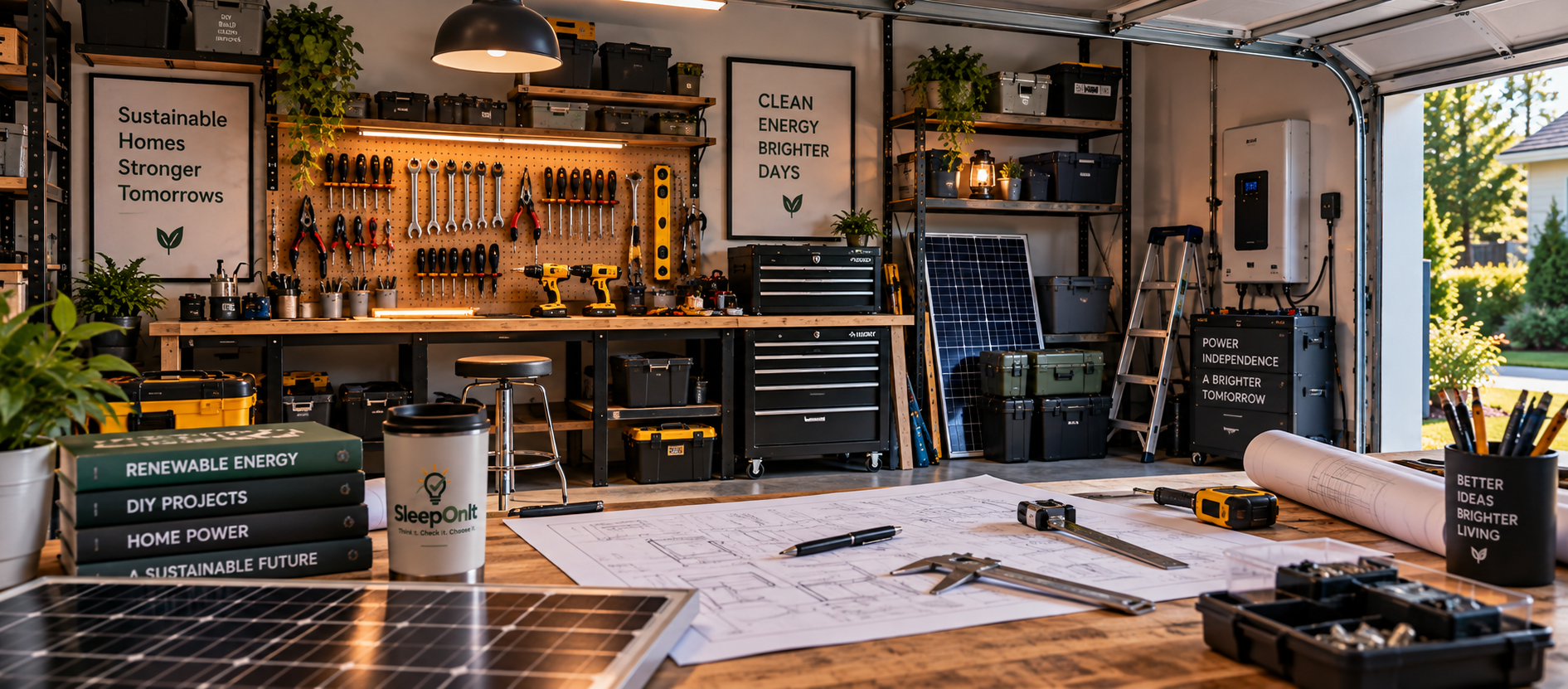
What Are DIY Home Energy Solutions?
DIY home energy solutions refer to projects and approaches that individuals may explore to better understand or generate electricity at home. These DIY energy solutions can include small-scale solar systems, wind energy concepts, and other alternative energy ideas. While some projects may be suitable for personal experimentation, their practicality depends on factors such as technical requirements, installation costs, safety considerations, and local regulations.
Small-Scale Solar Energy and DIY Energy Solutions
Small-scale solar energy projects explore how sunlight can be converted into electricity using solar panels and related equipment. These systems vary in size and complexity, and their suitability depends on available sunlight, equipment costs, installation requirements, and local regulations. Electrical connections and installations should be evaluated by qualified professionals.
Residential Wind Energy
Residential wind energy involves using small wind turbines to convert wind into electricity. The practicality of these systems depends on local wind conditions, available space, equipment costs, and installation requirements. Wind turbines also require proper placement, maintenance, and compliance with local regulations, making professional evaluation important before installation.
Experimental Energy Concepts
Experimental energy concepts explore unconventional approaches to electricity generation. Some ideas are presented through educational materials, prototypes, or DIY projects, but their performance may not be independently verified. Before considering any experimental system, it’s important to evaluate its technical feasibility, safety requirements, potential costs, and whether reliable evidence supports its claims.
Important Things to Consider Before Starting a DIY Energy Project
Before starting a DIY home energy project, it’s important to understand the practical challenges involved. Factors such as equipment costs, technical knowledge, electrical safety, local regulations, and realistic performance expectations can influence whether a project is suitable for your home. Taking time to evaluate these considerations can help you make more informed decisions and avoid unnecessary risks.
Electrical Safety
Electrical work can involve serious safety risks, especially when dealing with wiring, batteries, or connections to a home’s electrical system. Before starting any project, consider the technical requirements and consult a qualified professional to ensure that installations meet applicable safety standards.
Equipment & Installation Costs
DIY home energy projects may involve expenses for equipment, materials, installation, maintenance, and professional assistance. Before committing to a project, estimate the total costs and consider whether the potential benefits justify the investment for your particular situation.
Local Regulations & Permits
Home energy installations may be subject to local building codes, electrical regulations, permits, and utility requirements. Before beginning a project, check the rules that apply in your area and determine whether professional inspections or approvals are necessary.
Realistic Performance Expectations
The performance of a home energy project depends on factors such as location, equipment quality, installation conditions, and energy needs. Be cautious of promises of guaranteed savings or unusually high electricity output, especially when independent testing or reliable performance data is unavailable.
Potential Benefits & Limitations of DIY Energy Projects
DIY energy projects may offer educational and practical benefits, but they also come with limitations that should be carefully considered. Understanding both sides can help homeowners make more informed decisions about whether these projects align with their goals, budget, and technical experience.
Potential Benefits
Exploring DIY energy projects can help individuals develop practical knowledge about electricity generation, renewable energy technologies, and basic system design. Small educational projects may also encourage problem-solving skills and a better understanding of household energy consumption.
Important Limitations
Despite their educational value, DIY energy projects may have limited electricity output and require specialized knowledge, suitable equipment, and ongoing maintenance. Results can vary significantly depending on environmental conditions and system design, and some projects may not be practical or cost-effective for everyday household energy needs.
How to Evaluate a DIY Energy Project
Before choosing a DIY energy project, it’s helpful to evaluate its purpose, technical requirements, and available supporting information. A careful assessment can help distinguish realistic educational opportunities from projects that make unsupported performance claims.
1. Define Your Project Goals
Start by identifying what you want to achieve. Are you exploring renewable energy concepts for educational purposes, experimenting with a small prototype, or looking for a practical way to support household energy needs? Defining clear goals can help you choose projects that match your expectations and available resources.
2. Look for Reliable Evidence
Look for credible technical information and independent testing before trusting a project’s performance claims. Check whether the results can be measured, reproduced, and supported by reliable sources. Be especially cautious of projects promising unusually high electricity output or guaranteed savings without verifiable evidence.
3. Assess Technical Feasibility
Evaluate whether the project’s design, required materials, and technical complexity are suitable for your experience and available resources. Consider the tools, space, and expertise needed for safe implementation. Projects involving electrical wiring, batteries, or connections to household systems should be assessed by qualified professionals before any installation work begins.
4. Compare Realistic Alternatives
Before committing to a DIY energy project, compare it with established energy solutions that may better suit your needs. Consider factors such as expected electricity output, overall costs, maintenance requirements, and long-term reliability. Reviewing different options can help you determine whether a DIY approach is appropriate or if a professionally designed system would be more practical.
Frequently Asked Questions About DIY Energy Projects
Have questions about DIY home energy projects? Here are answers to some common concerns about their practicality, safety, and potential applications.
Can DIY energy projects power an entire home?
Most small DIY energy projects are better suited for educational purposes or limited applications rather than powering an entire household. Supplying electricity to a whole home generally requires a properly designed system with sufficient capacity, suitable equipment, and compliance with applicable safety standards and local regulations.
Are DIY home energy projects safe?
The safety of a DIY energy project depends on its design, components, and technical requirements. While some small educational projects may involve relatively low risks, systems using electrical wiring, batteries, or household connections can present serious hazards. Always follow applicable safety standards and consult qualified professionals when necessary.
Can DIY energy projects reduce electricity bills?
Some properly designed and installed energy systems may help offset a portion of household electricity consumption. However, actual savings depend on factors such as system capacity, installation costs, energy production, maintenance requirements, and local electricity rates. Small experimental DIY projects may provide educational value without delivering meaningful reductions in electricity bills.
How can I identify trustworthy DIY energy information?
Reliable DIY energy information should include clear technical explanations, realistic performance expectations, and evidence from credible sources. Look for measurable results, independent testing, and transparent discussions of potential limitations. Be cautious of projects that promise extraordinary energy savings or unusually high electricity output without verifiable supporting data.
Explore the Energy Revolution System
Interested in learning more about DIY energy concepts? Explore the Energy Revolution System to review the information provided by its creator, understand what the program includes, and decide whether it aligns with your interests and expectations.
Affiliate Disclosure: SleepOnIt may earn a commission if you purchase through our links, at no additional cost to you.
Looking for more practical home energy tips and helpful recommendations? Visit the Sleep On It homepage to explore more guides and featured finds.